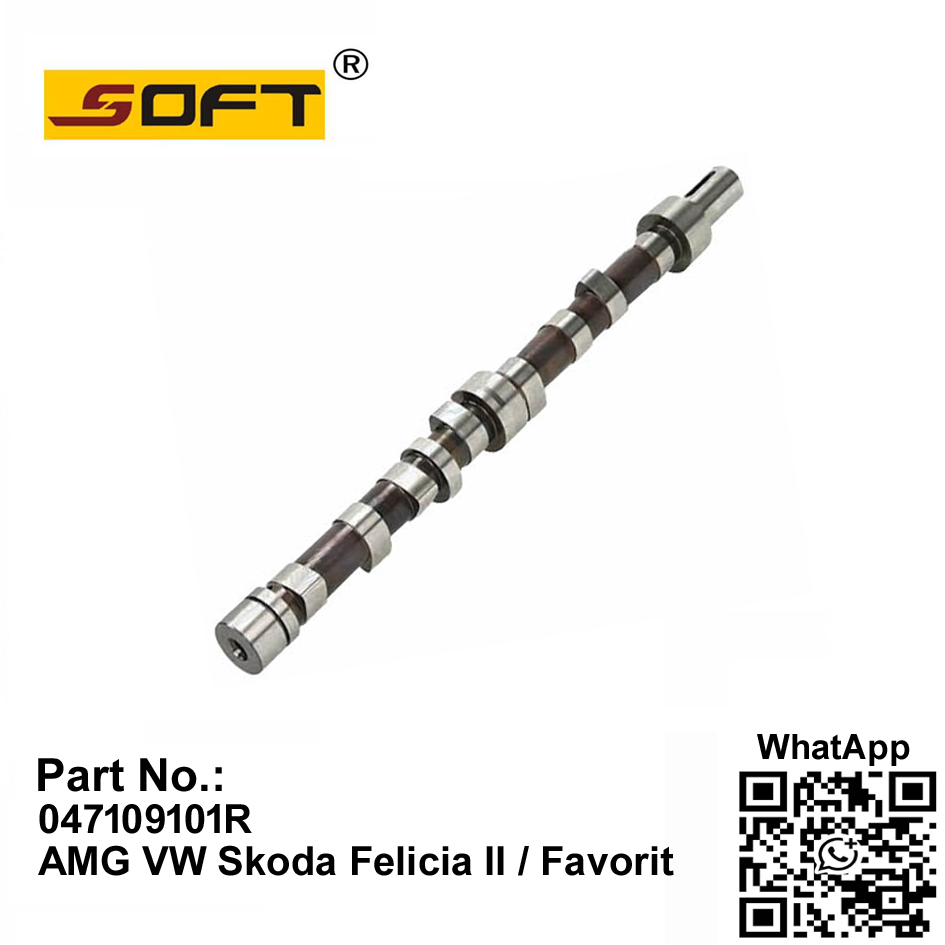
Picture the camshaft as the mechanical director of your engine. It controls the valvetrain directly. This rotating shaft dictates exactly when air and fuel enter the cylinders. It also governs when exhaust gases leave. You must understand this vital component when diagnosing engine misfires. This knowledge also proves crucial when you evaluate costly repair estimates or select aftermarket upgrades for better performance.
We separate catastrophic mechanical failures from minor sensor glitches in this guide. This evidence-based approach helps you make smart repair or purchasing decisions. You will discover the mechanics behind valve timing and lobe geometry. We will explore diagnostic triage steps to avoid unnecessary teardowns. Finally, we break down material selection and replacement economics to guide your next garage visit.
Key Takeaways
Core Function: Engine camshafts translate rotational motion into linear motion to open and close engine valves in exact synchronization with the crankshaft.
Diagnostic Triage: Ticking noises, metal shavings in oil, and specific OBD-II codes (e.g., P0340) are primary indicators of camshaft or sensor wear.
Material Selection: OEM replacements typically utilize induction-hardened cast iron, while high-performance or heavy-duty applications require billet steel for maximum durability.
Cost Reality: Mechanical camshaft replacement is highly labor-intensive; verifying sensor health before approving internal engine teardowns is a mandatory first step.
The Mechanical Role of Engine Camshafts (Performance Baseline)
The crankshaft drives the camshaft using a timing belt or chain. They operate on a precise 2:1 rotational ratio in standard four-stroke engines. The crankshaft spins twice for every single rotation of the camshaft. This exact synchronization keeps engine valves opening and closing at the perfect millisecond. High-quality engine camshafts orchestrate the entire combustion cycle. They manage the intake, compression, power, and exhaust phases flawlessly.
Valvetrain Synchronization
Timing gears link the bottom end of the engine to the top end. The piston moves up and down inside the cylinder. Meanwhile, the camshaft rotates overhead or inside the block. If this physical connection slips by even one tooth, engine performance drops immediately. Severe timing failure often results in pistons crashing into open valves. This scenario causes catastrophic internal damage.
Lobe Geometry Basics
The unique shape of the cam lobes determines engine behavior. Engineers design these teardrop-shaped bumps to execute very specific movements. We evaluate performance potential using two foundational metrics:
Valve Lift: This measures how far the valve opens off its seat. Higher lift allows a larger volume of air into the combustion chamber.
Valve Duration: This dictates how long the valve stays open during the engine cycle. Longer duration improves high-RPM breathing.
Aggressive lobe profiles push these metrics to their limits. They cram more air into the engine to generate higher horsepower. However, this often sacrifices smooth idling and low-end torque.
Configuration Types
You will encounter different valvetrain layouts depending on engine design. Overhead Cam (OHC) and Dual Overhead Cam (DOHC) setups place the shaft directly above the cylinder head. They actuate valves efficiently at high RPMs. Pushrod setups, or Overhead Valve (OHV) engines, locate the shaft deep inside the engine block. They use lifters and long pushrods to move the valves overhead. DOHC setups offer superior breathing efficiency. Yet, OHV setups keep the engine compact and simplify certain maintenance tasks.
Identifying Camshaft Wear: Symptoms and Diagnostic Criteria
Mechanical parts degrade over time through continuous heat and friction. Identifying early warning signs saves you from catastrophic engine failure. You must observe audible cues, performance shifts, and fluid conditions carefully.
Audible Indicators
Listen closely to your engine during a cold start. A rhythmic ticking or tapping sound often points to valvetrain distress. This noise usually indicates lifter wear or flattened camshaft lobes. Metal-on-metal friction gradually grinds down the precise teardrop shape of the lobe. The clearance between components increases as the metal wears away. This loose clearance creates the distinct tapping noise you hear under the hood.
Performance Degradation
Worn lobes compromise engine valve timing severely. You might notice sudden engine misfires or rough idling at stoplights. You could also experience a noticeable drop in acceleration power. The engine loses critical combustion pressure if intake valves open too late. Similarly, power drops off if exhaust valves close prematurely. The engine simply cannot breathe efficiently through damaged lobes.
Oil Contamination Analysis
Inspect your engine oil and filter during routine maintenance. Finding metallic flakes in the oil serves as a major red flag. Silver or copper-colored shavings provide definitive proof of severe lobe friction. This symptom confirms material failure inside the engine block. You must act immediately when you spot metal in the oil pan.
Skeptical Diagnostic Framing
Do not jump straight to an expensive mechanical teardown. You must demand baseline evidence first. Always run cylinder compression tests to verify internal sealing. Check the mechanical oil pressure using a dedicated gauge. Low oil pressure starves the top end of lubrication. This starvation causes the exact metallic wear you hear. Fixing a faulty oil pump might solve the root cause before you replace the entire valvetrain.
The Camshaft Position Sensor vs. Mechanical Failure: Avoiding Misdiagnosis
Modern vehicles rely heavily on electronic monitoring systems. We must distinguish between physical metal wear and simple electrical sensor glitches. Misinterpreting these two issues leads to massive financial waste.
The Electronic Counterpart
The Camshaft Position Sensor (CMP) works alongside the mechanical valvetrain. It reads rotational data using magnetic fields or Hall-effect technology. It feeds this exact rotational position to the Engine Control Unit (ECU). The ECU uses this data to fire spark plugs and fuel injectors at the perfect microsecond. The engine runs terribly when this sensor sends erratic signals.
OBD-II Code Evaluation
Modern diagnostics require careful code evaluation. You must differentiate between mechanical timing codes and electrical faults. A P0340 or P0341 OBD-II code often points directly to a sensor circuit failure. These codes usually indicate damaged wiring harnesses or a burnt-out sensor. They rarely mean the physical steel shaft has snapped in half.
Financial Implication
This diagnostic distinction carries massive financial weight for vehicle owners. A plug-and-play sensor replacement usually costs between $50 and $150. You can often complete this fix in your driveway in twenty minutes. Conversely, a full mechanical teardown runs well over $1,000 in labor alone. Verifying sensor health prevents shops from charging you for unnecessary internal engine repairs.
Diagnostic Failure Comparison
Component
Primary Function
Common Failure Symptom
Replacement Cost Impact
Mechanical Camshaft
Opens engine valves physically
Ticking noise, metal in oil, misfires
High (Labor intensive internal repair)
Position Sensor (CMP)
Sends rotational data to ECU
Hard starting, P0340 code, stalling
Low (Quick plug-and-play fix)
Material Evaluation: Cast Iron vs. Billet Steel Engine Camshafts
Manufacturing materials dictate longevity and performance limits. Selecting materials for replacement engine camshafts depends heavily on your specific application. You must match the metal to your driving habits.
Chilled Cast Iron (OEM Standard)
Manufacturers build most factory engines using chilled cast iron. This material undergoes an induction-hardening process during manufacturing. The factory rapidly heats and cools the outer layer of the lobes. This creates a highly durable outer shell over a softer core.
Best for: Standard daily driving and exact factory replacements.
Pros: Highly cost-effective and provides excellent wear resistance against standard hydraulic lifters.
Limitations: Cast iron exhibits brittleness under extreme high-RPM stress. Heavy valve spring pressures can snap a cast iron core.
Forged / Billet Steel (Aftermarket/Heavy Duty)
Performance builders demand stronger materials. Machine shops cut billet steel cams from a single solid block of forged steel. They use precision CNC machines to carve aggressive lobe profiles into the raw metal.
Best for: High-performance builds, forced induction engines, and heavy commercial towing.
Pros: Billet steel offers superior structural integrity. It resists flexing and handles aggressive lobe geometries effortlessly.
Implementation Risk: Upgrading to billet steel requires matching high-end valvetrain components. You must install stiffer valve springs and hardened retainers to prevent secondary failures.
Replacement and Upgrade Economics: Labor, Parts, and ROI
Replacing internal engine components demands a comprehensive approach. You cannot simply swap a metal shaft and expect perfect results. Proper repairs require extensive labor, secondary parts, and careful planning.
Labor Hours and Accessibility
Engine layout dictates the total labor hours required. Top-end work on accessible OHV pushrod engines takes less time. Mechanics simply remove the intake manifold and slide the new part into the block. Conversely, tight DOHC configurations in modern cars present major challenges. Mechanics often drop the entire engine out of the chassis just to access the timing covers properly. This complexity drives repair bills exponentially higher.
Secondary Component Mandates
You must replace mating components simultaneously. Installing a brand-new cam against old, worn lifters guarantees immediate failure. The new lobes will chew through the old lifter surfaces in minutes. You must install new lifters, cam followers, timing chains, and front seals during the teardown. This comprehensive approach protects your parts warranty and ensures maximum longevity.
Performance Upgrades (Cam Phasing)
Many drivers upgrade their internal components to chase horsepower. However, installing "aggressive" cams changes engine dynamics permanently. You trade smooth low-end torque for explosive high-RPM power. The engine might idle roughly and pull less vacuum for power brakes. Modern cam phasing systems help balance this trade-off by adjusting timing on the fly. Yet, aggressive static lobe profiles still alter the foundational drivability of the vehicle.
Shortlisting Next Steps
You need a structured plan before authorizing internal engine work. Follow these criteria when evaluating repair shops or selecting parts manufacturers:
Assess the machining capabilities and cleanliness standards at your chosen repair shop.
Review the exact warranty terms for both the labor and the replacement parts.
Verify material certifications if you order heavy-duty aftermarket components online.
Match exact OEM specifications closely if you prioritize reliable, daily transportation.
Confirm the shop uses specialized break-in oil additives to protect the new lobes during initial startup.
Conclusion
The camshaft serves as both a critical failure point and a primary upgrade vector. It controls the very breath of your engine. Proper synchronization keeps you on the road, while lobe degradation leaves you stranded. Understanding these mechanical principles protects you from inflated repair bills.
We advise following a strict diagnostic hierarchy. Always check the electronic sensor before panicking. Analyze the engine oil for metallic contamination. Measure cylinder compression to establish a baseline of engine health. Finally, evaluate the real need for a mechanical replacement.
Do not guess when dealing with internal engine tolerances. Consult a certified technician for accurate scope-of-work estimates. Reach out to a dedicated parts supplier for high-quality, material-specific replacement components. Taking these measured steps ensures your engine runs powerfully for years to come.
FAQ
Q: Can I drive with a failing camshaft?
A: Driving with a worn lobe causes poor performance and misfires. However, driving with a cracked shaft or severe timing slip risks catastrophic engine failure. Pistons will collide with open valves, destroying the engine block. You should tow the vehicle if you suspect severe mechanical failure.
Q: How long do engine camshafts typically last?
A: These components generally last the entire lifetime of the vehicle. They easily surpass 200,000 miles if you maintain routine oil changes. However, poor lubrication, skipping oil changes, or using incorrect oil viscosity accelerates lobe wear and shortens this lifespan drastically.
Q: Will a performance camshaft decrease my fuel economy?
A: Yes, aggressive performance profiles usually decrease fuel efficiency. They increase valve duration and valve overlap. This draws more air and fuel into the cylinder at high RPMs. It also causes a drop in engine vacuum and reduces efficiency during low-speed city driving.
Ningbo Dingjia Auto Parts Co., Ltd. is a professional enterprise specialized in manufacturing engine camshafts, connecting rods, crankshafts, and carbon fiber modification parts.