Yes, diesel platforms fundamentally rely on robust valvetrain mechanics. They operate much like standard gasoline setups but must survive significantly higher cylinder pressures. Some designs also feature dedicated mechanisms to drive secondary components. High-pressure fuel pumps often run directly off these internal profiles. Operators usually research these precision parts when facing highly critical maintenance scenarios. You might be actively diagnosing a severe valvetrain failure today. Perhaps you are currently planning a comprehensive fleet engine rebuild. Alternatively, you could be evaluating aftermarket upgrades to maximize commercial towing performance. Ignoring mechanical best practices here leads to catastrophic block damage. This article transitions from basic mechanical overviews to an actionable evaluation framework. We will help you accurately diagnose, select, and replace components. You will learn to execute complex valvetrain repairs without compromising engine longevity.
Key Takeaways
Core Function: Diesel engine camshafts govern air intake, exhaust, and sometimes fuel injection timing, heavily influencing Exhaust Gas Temperatures (EGTs) and turbo spool times.
Failure Diagnostics: Wear is often masked by normal diesel engine noise; early detection requires oil analysis and recognizing specific performance degradations.
Upgrade Reality: Unlike gas engines, diesel cam upgrades prioritize EGT reduction, fuel economy, and torque curve optimization over peak horsepower.
Replacement Protocol: Replacing a diesel camshaft mandates a holistic valvetrain evaluation—never replace a cam without evaluating lifters, pushrods, and valve springs.
The Specialized Role of Engine Camshafts in Diesel Platforms
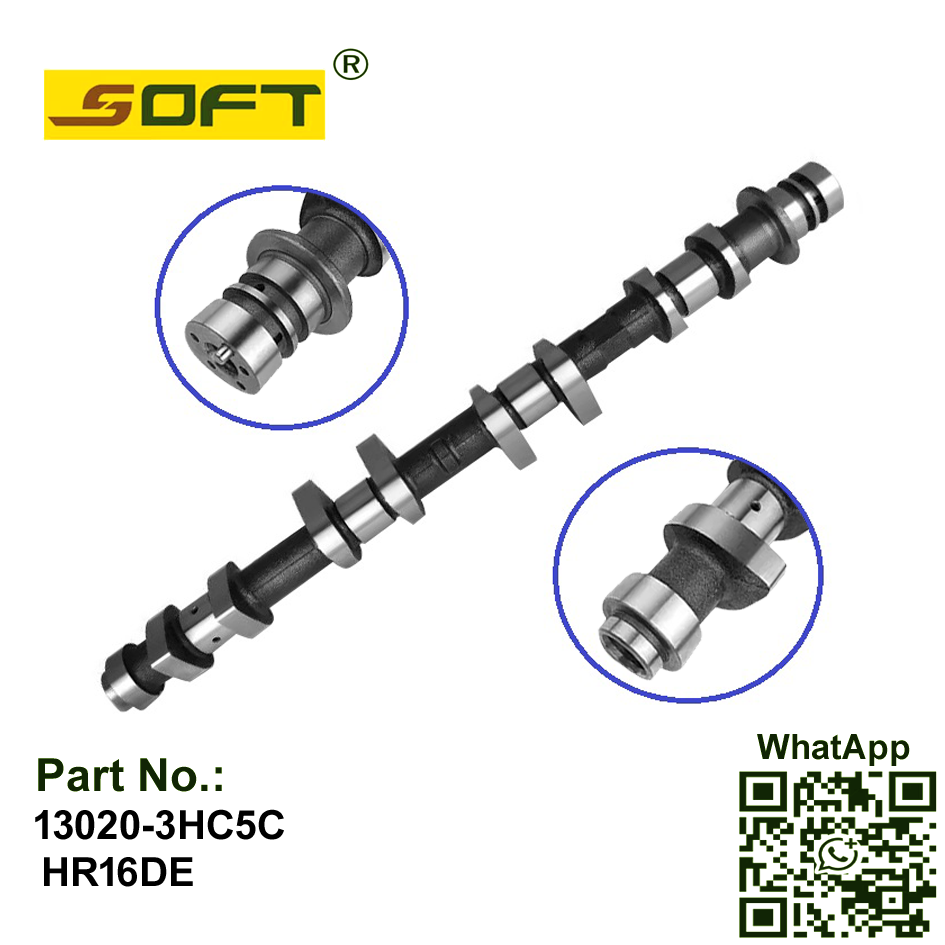
Every internal combustion engine requires precise mechanical timing. Cylinder valves must open and close at exact microsecond intervals. The heavy-duty engine camshafts handle this critical task. They feature teardrop-shaped lobes. These lobes convert rotational motion into linear force. This force pushes pushrods and rocker arms downward. Heavy-duty applications require much heavier construction than standard automotive engines. Manufacturers machine them from dense billet steel or hardened cast iron. They must withstand immense rotational stress.
Diesel vs. Gasoline Differences
Diesel mechanics diverge significantly from gasoline engineering. Valve overlap represents a major design difference. Overlap occurs when intake and exhaust valves open simultaneously. Gasoline builders often increase overlap to chase high RPM horsepower. Diesel mechanics avoid excessive overlap. Heavy-duty engines rely heavily on forced induction. Turbochargers pump compressed air into the intake manifold. High valve overlap allows this precious boost pressure to escape directly out the exhaust valve. Reduced overlap traps the air inside the cylinder. It ensures maximum compression and clean fuel burns.
Commercial designs also integrate secondary mechanical systems. Many platforms include extra lobes between the standard intake and exhaust lobes. These specialized profiles drive mechanical fuel injectors. Other designs actuate high-pressure fuel pumps. Standard gasoline setups rarely feature these aggressive auxiliary integration strategies. The single steel shaft manages air movement and extreme fuel pressurization simultaneously.
Performance and Thermal Impact
The lobe profile dictates overall engine performance. Lift determines how far the valve opens. Duration determines how long it stays open. These precise measurements control turbocharger spool times. An optimized profile forces exhaust gases out faster. Faster exhaust velocity spins the turbocharger turbine sooner. This completely eliminates lag off the starting line.
Furthermore, timing directly manages Exhaust Gas Temperatures (EGTs). Hauling heavy payloads generates intense internal heat. High EGTs melt pistons and destroy turbine blades. Evacuating hot gases efficiently prevents thermal runaway. A well-designed profile acts as a primary heat management tool under maximum payload conditions.
Diagnosing Diesel Camshaft Failure Before Catastrophic Damage
Valvetrain failures in commercial equipment create immediate business crises. A shattered lobe drops metal directly into the oil pan. This debris destroys bearings, scores cylinder walls, and seizes the rotating assembly. Identifying symptoms early minimizes massive downtime and expensive block damage. Mechanics must spot minor issues before they escalate.
Key Warning Signs
Audible Indicators: Diesel platforms naturally sound loud and clattery. Operators often miss subtle changes. You should listen for a distinct "popping" noise. This sound echoes through the intake tube or the exhaust pipe. It typically indicates a completely wiped exhaust lobe. The cylinder cannot vent properly.
Performance Drops: Monitor your dashboard gauges closely. Unexplained increases in EGTs signal poor gas evacuation. Slower turbo spooling means the exhaust flow has degraded. A sudden drop in fuel efficiency also points to compromised valve lift.
Contamination: Routine oil sampling provides the best early-warning system. Laboratory analysis detects microscopic wear particles. A sudden spike in ferrous metal parts per million (PPM) indicates rapid lobe degradation. This catches damage long before audible popping starts.
Root Cause Analysis
Valvetrain components rarely fail without external catalysts. Prolonged oil degradation remains the most common culprit. Soot accumulates in heavy-duty oil over time. This soot acts like liquid sandpaper. It grinds away the hardened surface layer of the metal lobes. Once this hardened shell breaches, the softer metal underneath deteriorates rapidly.
Lifter failure also destroys profiles instantly. Many modern engines use roller lifters. These feature tiny needle bearings inside a small wheel. If these bearings collapse, the roller stops spinning. It drags violently across the rotating lobe. This friction wipes the profile flat within minutes. Additionally, incorrect break-in procedures ruin fresh rebuilds. Flat-tappet systems require specific high-zinc break-in oils. Failing to follow exact RPM break-in cycles causes immediate scuffing and permanent damage.
OEM vs. Aftermarket Performance Camshafts: An Evaluation Framework
Rebuilding a damaged engine presents a major strategic choice. You must select either an exact-spec OEM replacement or an aftermarket performance profile. Both solutions serve entirely different operational goals. Making the wrong choice severely impacts fleet reliability.
When to Choose OEM
Standard fleet operations require absolute predictability. Commercial transport companies prioritize maximum uptime above all else. You should choose OEM parts for these strict environments. Factory components guarantee strict emissions compliance. They match the factory turbocharger perfectly. Factory tuning requires zero software modifications.
OEM replacements carry the lowest risk of valvetrain incompatibility. Engineers designed the factory springs, pushrods, and piston bowls to clear these specific lift metrics. If you manage multiple delivery trucks, predictable maintenance schedules are non-negotiable. Stick to genuine OEM drop-in parts.
When to Consider Aftermarket Options
The performance industry holds a skeptical view of aggressive profiles. Online automotive forums often warn about diminishing returns. Huge profiles yield massive horsepower in gasoline drag cars. They perform poorly in commercial hauling applications. Massive duration shifts the powerband too high. It kills low-end torque. It makes the truck sluggish from a stoplight.
However, specific valid use cases exist. Dedicated towing rigs benefit greatly from mild aftermarket upgrades. Towing profiles optimize the torque curve for heavy loads. They prioritize rapid turbo spooling over peak horsepower. You can often drop EGTs by 100 to 200 degrees under sustained load. Competition builds also require aggressive profiles to match massive aftermarket turbochargers.
Evaluation Criteria
You must evaluate physical material quality before purchasing. Avoid cheap cast iron for high-boost applications. Demand high-quality billet steel cores. Review the manufacturer warranty terms carefully. Ensure the specific lift and duration specifications match your exact turbocharger sizing.
Camshaft Evaluation Chart
Feature Category
OEM Specifications
Aftermarket Performance
Primary Goal
Maximum reliability, emissions compliance
Lower EGTs, faster turbo spooling
Material Setup
Induction hardened cast iron
Often CNC-machined billet steel
Software Required
None (Factory tuning works perfectly)
Custom ECM tuning usually required
Best Application
Standard fleet, daily driving, stock turbo
Heavy towing, oversized turbos, competition
Implementation Risks: What Else Must Change When Swapping a Cam?
You must treat a replacement as a system-wide overhaul. This part does not operate as a standalone upgrade. It interacts directly with several highly stressed components. Swapping the main shaft without addressing the surrounding environment guarantees repeat failures. Authoritative repair manuals strictly forbid partial valvetrain replacements.
Mandatory Replacements
Mechanics must adhere strictly to mechanical compatibility rules. You must replace the following components simultaneously:
Lifters and Tappets: Metals mate and wear together over time. An old lifter develops a specific microscopic wear pattern. Placing an old lifter on a brand-new metal lobe causes uneven pressure. It destroys the new profile immediately. You must install brand-new lifters. If using reusable roller lifters, you must meticulously inspect the needle bearings for any lateral play.
Valve Springs: Factory springs handle factory lift heights. Aftermarket profiles push valves deeper into the cylinder. They open them faster and shut them harder. Old springs lack the seat pressure to control this aggressive motion. High boost pressure can actually blow the intake valve open against weak springs. Upgraded valve springs prevent catastrophic valve float.
Pushrods: Upgraded springs exert immense downward pressure. Factory hollow pushrods will deflect or bend under this new strain. Thicker wall pushrods transfer motion accurately without flexing.
Labor and Rollout Realities
Do not underestimate the labor required for this installation. This is an incredibly invasive procedure. In classic pushrod engines, the shaft sits deep inside the engine block. You must remove the radiator, front grille, timing cover, and gear housing.
Modern heavy-duty trucks present even greater challenges. The engine bay packaging is extremely tight. Mechanics often find it faster to remove the entire cab from the truck frame. Lifting the cab requires specialized commercial shop hoists. Factor these massive labor hours into your repair strategy. You only want to pay for this intensive labor once. Doing the job right the first time protects your long-term profitability.
Shortlisting Your Next Steps for Repair or Rebuild
Facing a potential internal failure requires a structured diagnostic approach. Guessing leads to purchasing unnecessary parts. You need a clear decision matrix to proceed confidently.
Executing the Decision Matrix
If you suspect a failure based on a misfire or a popping sound, stop running the equipment. Step one involves pulling the valve cover. You must attach a magnetic dial indicator to the cylinder head. Measure the upward travel of the pushrod while rotating the engine manually. Compare this lift measurement against factory service specifications. A wiped lobe will show significantly less lift than the adjacent healthy cylinders.
If you are planning a comprehensive teardown for longevity, shift your focus to sourcing. Identify OEM-grade replacement kits. Look for mildly upgraded drop-in options. Ensure your selected option does not require cutting the pistons for valve clearance.
Vendor Selection Criteria
Procuring reliable commercial heavy-duty parts requires strict vendor vetting. Do not buy critical internal parts from anonymous online marketplaces. You must evaluate the supplier based on traceability and support.
Look for vendors offering in-house technical support. They should provide experts who can verify part numbers against your specific Engine Serial Number (ESN). Seek out comprehensive valvetrain kits rather than buying parts à la carte. A complete kit ensures the lifters, springs, and retainers match the primary profile perfectly. Vetting your supplier properly ensures you receive properly hardened metals rather than soft, counterfeit steel.
Conclusion
Precision-engineered valvetrains serve as the mechanical heartbeat of any heavy-duty platform. They manage extreme internal pressures while dictating thermal efficiency. Whether you are fixing a damaged lobe or trying to lower EGTs under heavy payload, this component represents a foundational investment. We strongly encourage you to prioritize complete system evaluations over piecemeal repairs. Never ignore the warning signs of internal wear. Consult directly with a valvetrain specialist today. Browse comprehensive rebuild kits matched specifically to your Cummins, Duramax, or Powerstroke engine code to guarantee long-lasting performance.
FAQ
Q: Are camshafts and crankshafts the same thing in a diesel engine?
A: No. The crankshaft converts the linear up-and-down motion of the pistons into rotational force. The camshaft is driven by the crankshaft via heavy-duty gears or a timing chain. It specifically dictates when air enters and exhaust exits the cylinders.
Q: Do 2-stroke diesel engines have camshafts?
A: Yes. Many classic 2-stroke diesels, like the Detroit Diesel series, utilize them exclusively. They operate the top exhaust valves and actuate mechanical unit injectors. These classic engines use open cylinder wall ports for air intake rather than traditional intake valves.
Q: Does a diesel engine camshaft affect fuel economy?
A: Directly. By optimizing valve timing and duration, a well-matched profile ensures complete fuel combustion. It promotes highly efficient turbocharger operation. This mechanical efficiency translates directly to better fuel economy, especially when hauling heavy commercial payloads.
Ningbo Dingjia Auto Parts Co., Ltd. is a professional enterprise specialized in manufacturing engine camshafts, connecting rods, crankshafts, and carbon fiber modification parts.