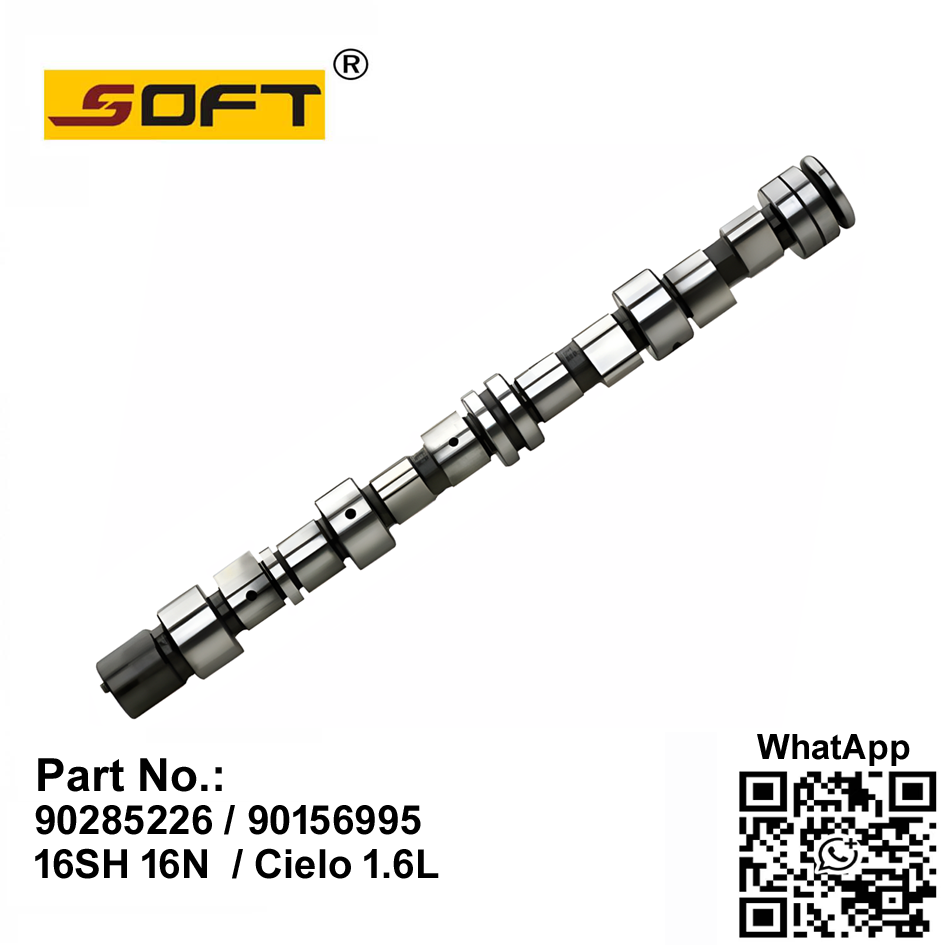
Rotary engines, famously known as Wankel engines, do not use camshafts, valves, lifters, or timing belts. This mechanical reality routinely surprises gearheads accustomed to traditional internal combustion. Standard piston motors rely heavily on a highly complex valvetrain to manage incoming air and departing exhaust gases. A rotary engine takes a vastly different approach. It utilizes the continuous eccentric movement of a triangular rotor to naturally expose fixed intake and exhaust ports. We find this architectural shift fascinating because it fundamentally changes how power is generated. For engineers, custom builders, and automotive buyers evaluating different platforms, understanding this uniquely valveless architecture proves absolutely critical. It dictates how you approach maintenance routines, assess tuning capabilities, and ensure long-term reliability. We will explore exactly how the Wankel design successfully replaces traditional valvetrains. We will examine the specific maintenance trade-offs you must accept. Finally, we will outline how builders unlock serious performance without swapping conventional parts.
Key Takeaways
Zero Valvetrain Complexity: Rotary engines eliminate traditional engine camshafts, drastically reducing the number of moving parts.
Port-Based Breathing: Intake and exhaust timing are governed by the geometry of the engine housing and the spinning rotor, rather than lobed cams pushing valves.
Alternative Maintenance Priorities: The absence of cam wear and valve clearance issues is traded for highly specific maintenance requirements, specifically apex and side seal lubrication.
Tuning Requires Machining: Upgrading performance relies on physically altering port dimensions (porting) rather than swapping out bolt-on valvetrain components.
The Mechanical Baseline: Traditional Engine Camshafts vs. Rotary Design
Standard piston engines rely entirely on engine camshafts to orchestrate precise valve movements. This traditional setup introduces significant parasitic power loss. Pushing heavy steel valves open against stiff springs requires immense mechanical effort from the engine. It creates moving-part friction and dramatically increases the risk of catastrophic internal failure. You might experience valve float when pushing a piston engine to extreme high RPMs. You could also suffer severe engine damage if a crucial timing chain snaps during operation. The Wankel rotary engine fundamentally removes this mechanical dependency. It entirely avoids the traditional valvetrain challenge. We eliminate numerous heavy components from the entire powertrain equation.
Heavy steel camshafts
Friction-inducing rocker arms
Long metal pushrods
Fragile poppet valves
Complex timing gears and chains
Removing these specific parts translates into immediate physical benefits for the vehicle. The engine block achieves a remarkably lower theoretical center of gravity. You also see substantially reduced mechanical friction during daily operation. A lighter, more compact engine block fits easily into nimble sports cars. You no longer worry about snapping a timing belt on the highway. You never risk dropping a bent valve directly into a firing cylinder. The entire reciprocating mass shrinks down dramatically. It consists solely of the spinning rotors and the central eccentric shaft. This simplicity delivers an incredibly smooth, vibration-free power delivery. Drivers often hit the rev limiter accidentally because the engine feels completely unstressed at high speeds. The lack of reciprocating valvetrain mass allows the Wankel to rev freely and aggressively.
Intake and Exhaust Mechanics: How Wankel Rotors Replace Valvetrains
You might wonder how a motor breathes properly without functional valves. The triangular rotor creates three distinct, fully sealed chambers. It orbits the central eccentric shaft inside an epitrochoidal-shaped housing. As the rotor spins continuously, these three chambers expand and contract. This continuous volumetric change effectively drives the four-stroke cycle. It draws in fresh air, compresses the fuel mixture, harnesses the explosive combustion expansion, and smoothly expels hot exhaust gases. It executes all four strokes simultaneously across the three faces of the rotor.
The metallic tips of the rotor simply slide past stationary openings. We commonly call these openings "ports". They sit directly in the outer rotor housing or on the flat side plates. In a rotary engine, "cam timing" is rigidly fixed by physical geometry. The exact location and diameter of these ports completely determine when air enters and exits. The spinning rotor acts perfectly as its own massive slide valve. You do not need secondary mechanisms to control airflow.
Traditional cam overlap happens when intake and exhaust valves open simultaneously. This specific overlap manifests quite differently in valveless rotary designs. Earlier peripheral-port designs placed openings directly on the outer housing perimeter. They suffered from massive inherent overlap. This aggressive overlap caused notoriously rough idling and generated high emissions. Fuel would spill directly into the exhaust stream unburned. Later side-port designs, like the famous Mazda Renesis engine, relocated these ports entirely to the side housings. This clever engineering adjustment eliminated intake-exhaust overlap completely. It created a beautifully smooth idle and drastically improved low-end drivability for street applications. The rotor naturally covers the exhaust port before exposing the intake port. This ensures strict separation of incoming and outgoing gases.
Evaluation Dimensions: Reliability and Maintenance Trade-Offs
You must evaluate a Wankel engine using entirely distinct maintenance paradigms. Routine maintenance shifts drastically compared to standard vehicles. You lack overhead engine camshafts to degrade over time. You never need to adjust finicky valve clearances. Instead, daily upkeep focuses heavily on monitoring oil consumption and preserving combustion chamber sealing.
The apex seal acts as the undisputed primary point of engine failure. Rotaries essentially swap traditional valvetrain complexity for apex seal fragility. These tiny metal strips sit at the three extreme tips of the triangular rotor. They experience brutal extreme thermal loads and endure high physical friction constantly. Pre-ignition or engine knocking can shatter a carbon or steel apex seal instantly. You must ensure rigorous, uninterrupted lubrication to protect these vital internal components. Many owners proactively add specialized two-stroke oil directly to their fuel tanks. This practice is affectionately known as "premixing."
We also must honestly address objective downsides regarding thermal efficiency and modern emissions compliance. The Wankel features a highly elongated, awkwardly shaped combustion chamber. It suffers from a much lower surface-to-volume ratio than traditional cylindrical piston chambers. This flat geometry naturally traps heat poorly and actively inhibits complete fuel burns. Port overlap in older models inherently leads to significantly higher unburned hydrocarbon emissions. Consequently, rotary cars generally exhibit noticeably lower fuel efficiency compared to modern, cam-variable piston engines. You deliberately trade optimal thermal efficiency for unparalleled rotational smoothness and sheer high-RPM capability. The engine runs notoriously hot under load. You must respect its demand for premium cooling fluids and frequent thermal management checks. Ignoring the cooling system guarantees catastrophic housing warpage.
Tuning Implementation: Porting as the Camshaft Alternative
Performance upgrade logic changes dramatically when you completely ditch the valvetrain. In conventional V8 or inline-four piston blocks, builders simply install aggressive aftermarket engine camshafts. This straightforward mechanical swap successfully alters valve duration and maximum lift. In rotaries, you cannot unbolt a cam profile. Builders must physically grind and permanently enlarge the intake and exhaust ports to flow more atmospheric air. We refer to this specialized machining process simply as "porting".
You can choose from several distinct implementation tiers depending on your specific track goals.
Street Port: Builders execute a careful, mild enlargement of the factory openings. You retain excellent daily drivability while securing moderate, highly reliable power gains across the entire rev range. The idle remains relatively smooth.
Bridge Port: Machinists meticulously cut an additional narrow "bridge" slot adjacent to the main port. This allows massive volumes of air intake at high speeds. It unfortunately results in a notoriously rough, pulsating idle, commonly called the "brap brap" sound. It creates a very severe high-RPM power bias.
Peripheral Port: Builders fill the factory side ports completely with industrial epoxy. They then drill massive new holes directly through the outer aluminum rotor housing. This incredibly aggressive setup remains reserved strictly for dedicated, high-RPM race applications. It produces zero low-end torque.
You must acknowledge the severe irreversibility risk associated with these physical modifications. You can easily unbolt and reverse a traditional cam swap if you dislike the resulting powerband. Porting acts as a permanent, physical alteration to the expensive engine block housings. If a machinist grinds too deeply into the internal water jacket, the housing becomes instant scrap metal. You cannot simply patch or undo a botched port job. The metal is gone forever. This reality demands highly experienced specialists for any serious performance builds.
Porting Modification Level
Idle Quality & Drivability
Torque & Power Band Shift
Ideal Vehicle Application
Factory Standard Port
Perfectly Smooth
Evenly distributed power
Original restorations, daily commuters
Street Port Modification
Excellent (Mildly deeper tone)
Broad, noticeable power increase
Aggressive street driving, light track use
Bridge Port Machining
Poor (Heavy pulsating idle)
Extreme high-RPM focus, low torque
Weekend drift cars, dedicated track builds
Peripheral Port Conversion
Unusable on public roads
Maximum high-RPM horsepower only
Professional motorsports, drag racing
Shortlisting Engine Architectures: When to Choose Rotary
Choosing a Wankel rotary platform requires a highly calculated decision framework. You must objectively weigh its unique engineering benefits against the exceptionally strict maintenance schedule. Ideal use cases heavily favor high-RPM applications and ultralight chassis builds. Certain specific motorsport classes reward the compact rotary footprint enormously. Experimental aviation builders also deeply love the Wankel design. It provides a phenomenal power-to-weight ratio for small aircraft. It fundamentally lacks the catastrophic sudden-failure modes directly associated with snapped valvetrains or broken rocker arms. If a rotary loses an apex seal, it typically loses power but continues spinning safely.
Risk mitigation easily becomes your primary ownership strategy. You must secure specialized rotary mechanics for major engine services. Finding a skilled technician who truly understands eccentric shaft end-play is absolutely crucial. You also need to ensure flawlessly operating premix lubrication systems. Many hardcore owners physically bypass the factory oil-metering pump. They manually mix high-quality two-stroke oil directly into the gas tank during every fill-up. Managing thermal cooling requirements aggressively prevents catastrophic housing warpage during spirited driving sessions.
We highly recommend these specific next-step actions for prospective rotary buyers.
Always verify internal compression scores before purchasing any existing Wankel platform. Never trust the seller's verbal assurances.
Use a dedicated rotary-specific compression tester. Standard piston testers yield highly inaccurate, single-face pressure readings. You need three distinct pulse readings per rotor.
Consult with specialized rotary machinists early if you plan a custom turbocharged engine build.
Upgrade the factory aluminum radiator and dual oil cooling systems before pursuing any serious horsepower modifications.
Commit to a strict warm-up procedure. Never rev the engine heavily until the oil reaches optimal operating temperatures.
Conclusion
The complete lack of an overhead valvetrain remains the defining characteristic of the Wankel engine. It firmly stands as the primary polarizing factor among modern automotive enthusiasts. You either love the mechanical simplicity or hate the stringent maintenance demands.
To wrap up your platform evaluation, keep these final action-oriented takeaways in mind:
Acknowledge the unique thermal demands immediately. You must heavily upgrade cooling infrastructure before adding turbochargers or executing aggressive porting jobs.
Embrace the specialized maintenance routine. Commit to frequent oil top-ups and strict engine warm-up procedures to fiercely protect those fragile apex seals.
Plan your performance goals carefully. Remember that aggressive porting irreversibly alters the expensive engine housings, unlike a simple, reversible bolt-on upgrade.
Leverage the profound architectural strengths. Utilize the rotary's incredibly compact dimensions to heavily optimize your vehicle's center of gravity and overall handling dynamics.
The elegant simplicity of a valveless design offers unparalleled smoothness and massive RPM potential. You simply must remain prepared to respect its completely unique mechanical realities.
FAQ
Q: If rotaries don't have camshafts, do they have a timing belt?
A: No, rotary engines do not feature a timing belt or timing chain. The central eccentric shaft is driven directly by the spinning rotors inside the engine housing. This elegant design completely eliminates the need to synchronize an overhead valvetrain. Ignition timing and precise fuel injection are managed entirely electronically by the modern engine control unit (ECU).
Q: Can you change the timing on a rotary engine?
A: You can easily tune ignition and injection timing electronically via an aftermarket ECU. However, physical airflow timing is permanently fixed by the size and location of the intake and exhaust ports. Changing this mechanical timing requires permanent physical machining of the engine block housings. Builders commonly refer to this irreversible process as porting.
Q: Why do rotary engines consume oil intentionally?
A: A rotary engine utilizes a dedicated oil metering pump to inject tiny amounts of engine oil directly into the combustion chamber. This intentional oil consumption serves to constantly lubricate the fragile metal apex seals during operation. It effectively replaces the continuous oil bath role traditionally found in enclosed overhead valvetrain systems.
Ningbo Dingjia Auto Parts Co., Ltd. is a professional enterprise specialized in manufacturing engine camshafts, connecting rods, crankshafts, and carbon fiber modification parts.