A cold morning startup should not sound like metal grinding in a coffee can. That harsh clattering echoing through the garage is a massive red flag. Shortly after, the check engine light illuminates. The idle feels unusually rough and the vehicle hesitates upon acceleration. These unsettling symptoms point directly to a critical maintenance milestone. Your engine synchronization system is degrading. The timing chain acts as the internal conductor of your motor. It links the crankshaft to the camshaft, ensuring valves open and close at the precise millisecond required for optimal combustion. When this system begins to fail, the internal mechanical damage can be catastrophic.
Grabbing the first generic replacement part off a shelf is a recipe for disaster. Identifying the exact specifications for your specific motor is the most crucial step in executing a successful mechanical service. In this technical guide, we will explore the critical aspects of selecting the correct components, recognizing empirical signs of wear, verifying compatibility for specific engine codes, and preparing for the intricate installation process.
Core Diagnostic and Service Principles
Precision is Non-Negotiable: Incorrect component dimensions lead to catastrophic interference engine failure. Verifying your Vehicle Identification Number and specific engine build codes is mandatory before purchasing any hardware.
Comprehensive Replacements Prevent Rework: A quality repair set must include not just the primary metal links, but also the hydraulic tensioners, guide rails, and precision-machined sprockets.
Diagnostic Warning Signs: Cold-start rattling, sluggish acceleration, and specific OBD-II error codes such as code P0016 are empirical indicators of internal wear that require immediate diagnostic attention.
Model Nuances Matter: Common powerplants possess highly specific requirements that differ drastically from traditional V8 architectures.
Strategic Purchasing Decisions: Vehicle owners must objectively weigh upfront component costs against long-term reliability, engineering revisions, and warranty coverage when choosing between factory and aftermarket options.
Industry Trends in Engine Synchronization
The automotive aftermarket is currently experiencing a significant engineering shift. As emission standards force automakers to adopt smaller, turbocharged powerplants equipped with complex Variable Valve Timing, the mechanical stress on internal components has skyrocketed. Industry analyses show a growing trend where premium independent manufacturers are completely abandoning traditional nylon-based guide rails. Instead, they opt for reinforced aluminum-backed alternatives to combat the high-heat degradation frequently seen in earlier factory designs. Furthermore, the integration of advanced diagnostic software at the independent shop level reflects a broader consensus. Generic, one-size-fits-all solutions are no longer viable for servicing modern interference engines. A single degree of misalignment can result in bent valves and destroyed pistons.
What is Included in a Complete Replacement Kit?
When performing a major internal engine service, seasoned automotive engineers rarely recommend replacing just the stretched metal links. A complete overhaul ensures that all interacting mechanical components wear evenly. This establishes proper tension and prevents premature failure of the new parts. Sourcing a comprehensive Chevrolet timing chain kit is the foundation of a repair that will last for another hundred thousand miles.
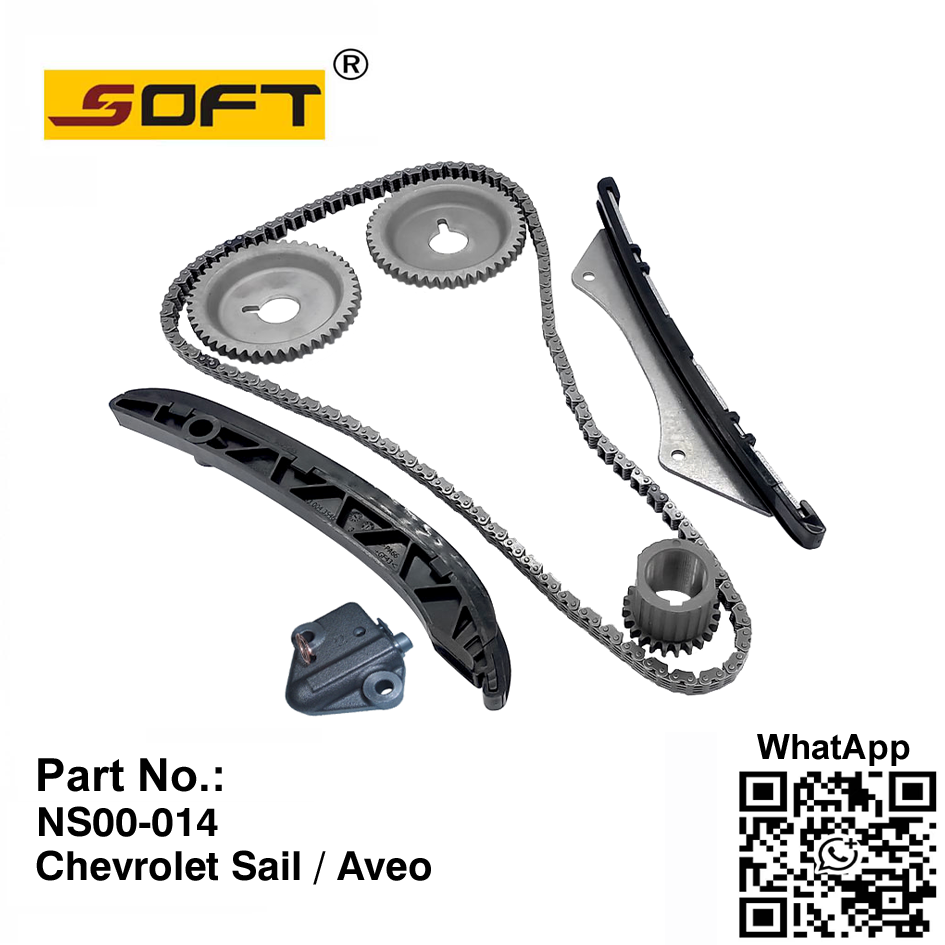
Modern engine timing systems rely on a complex network of interdependent parts. A standard comprehensive package features several crucial hardware pieces:
Primary and Secondary Chains: These heavy-duty metal chains synchronize the rotation of the crankshaft and camshafts. Depending on the architecture, some engines utilize secondary chains to drive balance shafts or water pumps.
Hydraulic and Mechanical Tensioners: These specialized devices utilize engine oil pressure or robust spring force to maintain constant tension. They compensate for slight chain stretching over thousands of miles of operation.
Guide Rails: Acting as smooth tracks, these rails prevent the rapidly moving chain from vibrating, whipping, or slapping against the aluminum engine block.
Camshaft and Crankshaft Sprockets: These are the toothed gears that drive the entire system. Installing new links onto worn, sharpened gear teeth will rapidly degrade the new hardware.
Gaskets and Seals: Essential sealing components, including the front cover gasket and crankshaft seal, prevent pressurized engine oil from leaking onto your driveway.
Symptoms Indicating Internal Degradation
Ignoring physical wear within this critical system can quickly escalate a standard maintenance procedure into a complete, wallet-draining engine replacement. Automotive technicians rely on several empirical warning signs to diagnose internal degradation before catastrophic failure occurs.
The most widely reported symptom is a loud ticking, clacking, or rattling noise when the engine is cold. In practice, this mechanical noise occurs because the hydraulic tensioner loses its fluid pressure after the engine sits idle. Upon the next startup, the loose links slap violently against the plastic guide rails. This continues for several seconds until adequate oil pressure builds up to push the tensioner plunger outward.
As a vehicle accumulates high mileage, the metal links physically wear down at their pivot points. This friction causes the entire assembly to lengthen. The Engine Control Module constantly monitors camshaft and crankshaft rotation via highly sensitive magnetic sensors. If the system stretches, the mechanical timing falls out of sync with the computer's expectations. Consequently, the module will trigger Diagnostic Trouble Codes, most notably indicating a Crankshaft and Camshaft Position Correlation error.
If the internal slack becomes severe enough, the Chevrolet engine timing chain might actually jump a tooth on the camshaft sprocket. The engine valves will then open at the completely wrong phase of the combustion cycle. This misalignment results in a remarkably rough idle, severe cylinder misfires, sluggish acceleration, and a significant loss of manifold vacuum.
Understanding Fitment and Real-World Parameters
For automotive technicians sourcing internal engine parts, close enough is an unacceptable standard. Components operate within tolerances of fractions of a millimeter. Absolute precision is a strict requirement.
Automotive manufacturers frequently update engine internals mid-production to resolve factory flaws or improve efficiency. Failing to account for these mid-generation updates will leave you with incompatible parts scattered across your workbench. Let us look at specific engineering parameters. When servicing a 1.4L Aveo or Sail motor, professional rebuilders must verify exact Original Equipment Manufacturer reference numbers. Matching components to OE numbers like 24101912 or TS-9025265-G ensures the replacement sprockets align perfectly with the factory camshaft phasers. Securing accurate Chevrolet timing kit fitment requires matching your purchase directly against these specific production codes to avoid receiving incompatible secondary chains.
Your 17-character Vehicle Identification Number is the most accurate diagnostic tool for identifying internal engine specifications. Dealership parts departments and professional auto parts databases utilize the eighth digit of this number to determine the exact engine code installed on the assembly line. Additionally, Regular Production Option codes provide a granular breakdown of the vehicle build. Located on the Service Parts Identification sticker, these specific alphanumeric codes dictate the exact internal architecture of the motor.
Component Selection Matrix: OEM vs. Aftermarket
Vehicle owners must objectively weigh upfront component costs against long-term reliability. Below is a professional comparison to guide your purchasing strategy when preparing for this invasive service.
Component Category
Dimensional Tolerance
Material Engineering
Cost Efficiency
Genuine OEM
Exact factory specifications
Standard factory nylon guides
High upfront cost
Premium Aftermarket
Matched or improved specifications
Upgraded aluminum-backed guides
Excellent long-term value
Generic White-Box
High variance risk
Brittle recycled plastics
High risk of engine failure
Top Engine Architectures Requiring Frequent Service
While any internal combustion engine will eventually experience mechanical wear, statistical repair data indicates certain engine families require this invasive service more frequently. This typically occurs between the 80,000 and 120,000-mile marks.
The 2.4L Ecotec four-cylinder engines frequently exhibit primary chain stretch and balance shaft guide failure. The original factory plastic guides are notoriously prone to becoming brittle and snapping. A highly specific replacement set featuring an updated tensioner design and reinforced guides is required to permanently resolve this factory vulnerability.
The 3.6L High Feature V6 engine utilizes an intricate, multi-chain synchronization system. Because it is a dual overhead cam design, servicing these engines requires a massive package. This includes three distinct chains, multiple hydraulic tensioners, and specialized idler gears. Due to the immense labor required just to access the front of this transverse-mounted engine, replacing every single component simultaneously is the golden rule of the industry.
The V8 architectures are renowned for their rugged simplicity and pushrod design. However, aggressive driving or extended oil change intervals will eventually degrade the timing set. These setups are mechanically simpler but still require exact matching based on whether the engine features Active Fuel Management or Variable Valve Timing hardware.
Critical Steps in the Installation Process
Whether the job is being executed by an advanced DIY enthusiast or a certified professional technician, understanding the mechanical scope of the installation is vital for setting realistic expectations.
Timing system replacement is a highly invasive procedure. It is far from a simple bolt-on repair. For most transverse-mounted engines, the process requires safely supporting the engine from below and removing the passenger-side engine mount. Technicians must dismantle the serpentine belt system, the alternator, the harmonic balancer, and the valve covers just to gain access to the front timing cover. Professional labor times generally range from six to twelve hours.
Proper installation is virtually impossible without specialized automotive tools. Technicians must use specific camshaft holding plates such as the EN-48953 retainer to physically lock the cams in place. They also utilize crankshaft locking pins to ensure the engine remains perfectly at Top Dead Center. Removing the sprockets without these specialized locking tools allows the heavy valve springs to forcefully rotate the camshafts, instantly destroying the mechanical timing baseline.
A crucial step in the installation process is dropping and thoroughly cleaning the engine oil pan. When old plastic guide rails shatter, the debris falls directly down into the oil reservoir. If this plastic shrapnel is not manually removed, it will quickly be sucked into the oil pump pickup tube screen. This creates a severe blockage, starving the newly rebuilt engine of oil pressure and causing catastrophic bearing failure within just a few miles of driving.
Conclusion and Next Steps
Replacing your engine synchronization components is a major vehicle investment that dictates the future lifespan of your motor. By understanding the auditory and mechanical symptoms of a failing system, you can avoid catastrophic internal damage. Prioritizing exact dimensional compatibility prevents the nightmare of incompatible parts and wasted labor.
If your vehicle is exhibiting cold-start rattles, sluggish performance, or phase error codes, immediate action is required. To explore professional-grade replacement options and verify exact component compatibility for your specific motor, visit https://www.cndingjia.com and secure the reliability your engine demands.
Frequently Asked Questions
How long does a vehicle timing chain typically last?
Under ideal conditions, these heavy-duty components are engineered to last the lifetime of the vehicle. However, real-world empirical data shows that many require replacement between the 80,000 and 120,000-mile marks. Engines are particularly sensitive to extended oil change intervals, which accelerates the wear of the hydraulic tensioners and the pivot pins within the metal links.
Can I just replace the stretched chain and leave the old tensioners in place?
No, this is highly advised against by all automotive engineering standards. Worn tensioners lacking hydraulic pressure and deeply grooved plastic guides are frequently the root cause of the initial failure. Installing a tight, brand-new chain onto worn tensioners will result in rapid, uneven degradation of the new components. All interacting parts must be replaced simultaneously to restore factory reliability.
Does a comprehensive replacement kit include a new water pump?
This depends entirely on your specific engine architecture. In powerplants where the water pump is internally driven by the timing system, comprehensive sets often bundle a new water pump because accessing it requires the exact same labor. For engines where the water pump is driven externally by the rubber accessory serpentine belt, it is typically sold as a separate component.
What happens if the replacement parts are slightly the wrong size?
Internal engine tolerances leave absolutely no room for error. Even a millimeter of variance in the link pitch or sprocket diameter will drastically alter valve timing. In modern interference engines, this slight misalignment causes the upward-moving pistons to violently collide with the downward-moving valves upon startup. This results in catastrophic mechanical failure that usually requires a complete engine replacement.
How do I know if my specific model has a metal chain or a rubber timing belt?
The vast majority of modern engines manufactured from the mid-2000s onward utilize metal chains for improved durability. However, certain older or smaller displacement engines still utilize a rubber timing belt that requires more frequent replacement. You can easily verify your setup by consulting the maintenance schedule in your owner manual or checking the engine code via your Vehicle Identification Number.
How much does it cost to replace a timing chain system?
The total cost varies significantly based on the engine architecture and labor rates in your area. While premium aftermarket component packages are highly affordable, the labor required to dismantle the front of the engine is extensive. Most professional replacements range from $1,200 to $2,500 total. Investing in high-quality parts is crucial since labor makes up the vast majority of the repair bill.
Can a degraded timing system cause a car to crank but not start?
Yes. If the internal chain stretches beyond the tensioner limit or jumps multiple teeth on the camshaft sprocket, the engine loses its mechanical synchronization. The valves will open at the wrong time, resulting in a complete loss of cylinder compression. Without adequate compression, the engine will crank continuously but will never actually start and run.
Ningbo Dingjia Auto Parts Co., Ltd. is a professional enterprise specialized in manufacturing engine camshafts, connecting rods, crankshafts, and carbon fiber modification parts.