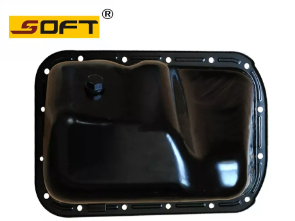
Maintaining the bottom end of an engine introduces two distinct but equally critical challenges. You must properly clean the internal oil pan for a reliable reseal. You must also efficiently manage the external waste drain pan. High operational stakes surround these routine tasks. Improper chemical use or aggressive abrasive tools can easily destroy fragile aluminum mating surfaces. Meanwhile, poor sludge management can dislodge solid debris and immediately starve the engine of vital lubrication.
This guide provides a technical, risk-averse framework for addressing these exact maintenance hurdles. We will help you select the right solvents and safe scraping tools for your specific application. You will learn practical diagnostic steps to verify leak sources before tearing down engine components. Finally, we cover modern disposal methods and equipment upgrades based on actual workshop implementation realities. These insights ensure better long-term reliability and a cleaner, safer workspace.
Key Takeaways
Avoid chemical flushes for heavy sludge: Dislodged debris can block the oil pump pick-up screen, leading to catastrophic engine failure.
Match the solvent to the residue: Acetone outperforms fast-evaporating brake cleaners for dissolving old RTV/silicone gaskets.
Protect aluminum at all costs: Metal scrapers and aggressive (green) bristle discs create irreversible depressions on mating surfaces; composite scrapers are mandatory.
Optimize waste cleanup: Upgrading to closed-system, pump-out drain pans offers measurable ROI by eliminating spill-risk labor, while traditional pans are best managed with dry-wiping and proper recycling, not excessive degreaser use.

1. Diagnosing the Problem: Is Disassembly Required?
Assessing a suspected sludge problem requires careful business problem framing. You must decide whether to drop the Oil pan assembly completely or attempt an in-place flush. Dropping the unit involves significant labor, new gaskets, and precise reassembly. In-place flushing sounds appealing but carries severe implementation realities.
The "no-disassembly" approach hides a massive risk factor. Many mechanics try using aggressive chemical engine flushes on high-mileage engines. They hope to dissolve heavy buildup. Instead, these harsh solvents break off large chunks of solid, carbonized crud. These heavy chunks cannot drain through the standard plug. Once you start the engine, suction pulls them directly into the oil pump pick-up screen. They clog the mesh immediately. This results in instant oil starvation and catastrophic engine failure.
We recommend an alternative diagnostic framework. Use low-cost physical inspection methods first. You can feed a flexible borescope through the drain hole. Alternatively, use a piece of bent wire hooked at the end to gauge the sludge depth manually. This tactile feedback provides vital data without dropping parts.
If you find only minor buildup, implement conservative mitigation. High-frequency oil changes using high-quality detergents offer a safer total cost of ownership (TCO) approach. It removes soft sludge slowly without shocking the system chemically.
Watch out for a common diagnostic trap. You must verify the actual leak source before you remove the Oil sump. Oil pooling around the bottom often originates from much higher gasket failures. Filter housing gaskets or oil pump O-rings frequently leak. Gravity pulls this fluid down, mimicking a lower seal failure. Always trace the wet path upwards before committing to a teardown.
2. Evaluating Solvents for the Engine Oil Pan
Choosing the correct chemical depends entirely on the residue you need to remove. Proper solvent selection ensures a clean surface without damaging internal components or leaving harmful residues inside the Engine oil pan.
We divide solution categories into three distinct types:
Acetone: We highly recommend this for mating surfaces. It features a slower evaporation rate. This allows it to penetrate deeply. It breaks down stubborn RTV and factory silicone bonds effectively.
Brake Cleaner: Mechanics often misuse this for gasket removal. It evaporates too rapidly to dissolve thick adhesives. However, it remains highly effective for a final sterile wipe-down before applying new sealant.
Degreasers (e.g., Simple Green): These are best suited for exterior grime. You can use them to scrub lower crankcase fins. They require thorough water rinsing and complete drying to prevent dangerous oil contamination upon reassembly.
Consider implementation safety closely. You should apply solvents locally. Spray them onto clean rags or specific isolated zones. Never pour harsh chemicals indiscriminately into complex engine cavities. Excess solvent can pool in hidden galleries and dilute your fresh motor oil later.
Solvent Type | Primary Use Case | Evaporation Rate | Contamination Risk |
Acetone | Dissolving old RTV / Silicone | Medium | Low (Leaves no residue) |
Brake Cleaner | Final surface sterilization | Very Fast | Low (Evaporates instantly) |
Heavy Degreaser | Exterior dirt and thick grease | Slow | High (Requires water rinse) |
3. Safe Gasket Removal: Protecting the Aluminum Sump
Removing old sealant presents a serious evaluation dimension: scalability versus security. You must balance the speed of mechanized cleaning against the high risk of permanently damaging the Oil sump pan. Aluminum is incredibly soft. A single slip can ruin the mating surface forever.
Follow a strict tool selection framework to prevent expensive mistakes. Composite or plastic scrapers serve as the baseline requirement. You must strictly prohibit standard metal putty knives. Steel effortlessly gouges aluminum, creating permanent channels for pressurized oil to escape.
If you prefer mechanized efficiency, you might use abrasive bristle discs mounted on drill attachments. You must choose the correct grade. White discs feature soft bristles. They are generally safe for aluminum. Green discs feature hard bristles. They risk cutting microscopic depressions into the metal. These low spots lead to secondary leaks. Such leaks ruin the entire assembly's long-term TCO and force a complete do-over.
Implement these execution best practices for safety:
Prepare a soft workstation: Never place a bare aluminum Pan-Oil directly on a hard steel workbench. Protect the fragile edges by laying down thick cardboard or dense styrofoam.
Soften the adhesive: Apply a localized acetone soak to the old RTV line. Wait several minutes for the polymer chains to swell and weaken.
Scrape safely: Use a composite scraper at a low, parallel angle to shave off the bulk of the old gasket.
Verify absolute flatness: Use a machinist's straight edge post-cleaning. Hold it across the mating surface against a backlight. Check for gaps. You must verify absolute flatness before applying new sealant.
4. Managing Sludge and Internal Sump Cleaning
Your primary outcome criteria focus on achieving a contaminant-free environment. You must remove internal sludge without introducing foreign particulates back into the system. The Oil Pan holds the lifeblood of the engine. Even tiny debris left behind can cause bearing damage.
Establish a strict wipe-down protocol. You must rely exclusively on heavy-duty, lint-free industrial wipes. Avoid standard kitchen paper towels entirely. Cheap paper towels leave behind microscopic fibrous residue. When submerged in hot oil, these fibers detach. They float upward and quickly clog critical engine oil galleries or the VVT solenoid screens.
Adopt the "Good Enough" rule for internal aesthetics. Mechanics often waste hours trying to make the interior look perfect. The inside does not require a pristine, factory-new visual finish. Removing tactile sludge and loose particulate matter represents the actual mechanical threshold for success. If the surface feels smooth to a gloved finger, you are finished. Obsessively polishing away every brown oil stain wastes labor and provides zero mechanical benefit.
5. Handling Waste: Drain Pan Cleanup and High-Efficiency Tools
Every maintenance job introduces a secondary challenge. You must manage the plastic catch pan after the oil change completes. Dealing with this waste requires care. You want to avoid wasting expensive cleaning chemicals. You also need to prevent environmental hazards in your workspace.
We analyze the TCO and ROI drivers for shop upgrades to find the best solutions. Traditional open catch pans represent a basic starting point. However, they are highly prone to spilling during transport. Carrying an open basin of sloshing fluid across a shop floor often leads to disastrous slips.
The best practice for traditional open pans skips heavy solvents entirely. First, drain the fluid into a secure recycling jug. Next, wipe 99 percent of the remaining oily film using a dedicated waste rag. Finally, store the unit in a heavy-duty plastic bag. Do not flood it with degreasers. Alternatively, you can sprinkle cheap clay cat litter into the basin. It quickly absorbs the base layer residue for easy sweeping.
For serious DIYers and professional shops, premium closed-system pans offer a massive upgrade. Consider high-capacity models featuring integrated pump-out fittings (such as AGA tools). They require a higher upfront cost. Yet, they offer a strong ROI over time.
System Type | Spill Risk During Transport | Cleanup Labor Required | Best Environment |
Traditional Open Pan | High (Sloshing effect) | High (Manual wiping/cat litter) | Occasional driveway DIY |
Closed-System Pan | Zero (Fully sealed tank) | Zero (Pump-out directly) | Pro Shops / Frequent DIY |
These closed systems entirely eliminate floor spill risks. They remove cleanup labor completely. You never tip them over. You simply connect an extraction pump and transfer the waste directly to a bulk drum.
You must prioritize environmental compliance and next-step actions. Strict adherence to local environmental regulations is non-negotiable. Never wash oily residue down a driveway, into soil, or down storm drains. Heavy solvents mixed with motor oil create severe ecological damage. Transfer all waste oil and heavily soaked rags to sealed, labeled containers. Route them directly to authorized auto parts stores or municipal recycling centers for proper processing.
Conclusion
Maintaining an engine bottom-end requires precision and patience. The logic remains simple across every stage. Successful maintenance relies heavily on precise tool selection. Always prioritize composite tools over metal ones to protect soft surfaces. Use conservative chemical applications. Choose slow-evaporating acetone for gaskets, and strictly avoid chemical engine flushes for heavy internal sludge.
Do not rush the final steps. Ensure your mating surfaces are perfectly flat and mechanically clean. Adopting the "Good Enough" rule internally saves valuable labor hours. Furthermore, investing time in safe aluminum handling prevents costly component replacement. Finally, investing capital in a premium, spill-proof drain system eliminates workspace hazards. Together, these strategies yield the best long-term mechanical reliability and operational outcomes.
FAQ
Q: Is it safe to use an engine flush to clean sludge without removing the oil pan?
A: No. Aggressive flushes can dislodge large pieces of solid sludge. These hard chunks easily block the oil pump pick-up screen. This blockage leads to immediate oil starvation and severe engine damage. Manual removal is the only truly safe method for clearing heavy buildup.
Q: What is the best tool for scraping old gasket material off an aluminum oil sump?
A: Composite or plastic scrapers are mandatory. Standard metal putty knives will instantly gouge the soft metal. If you prefer using drill-mounted bristle discs, use only soft (white) grades. Harder discs risk grinding irreversible depressions into the critical aluminum sealing surface.
Q: How should I clean out my plastic oil drain pan after an oil change?
A: Avoid wasting heavy chemical solvents. Let the pan drip dry completely. Wipe the remaining surface film with a designated waste rag, or absorb it using cheap clay cat litter. For maximum efficiency, invest in a closed-system pump-out pan to bypass manual interior cleaning entirely.
Q: Can I use brake cleaner to remove old RTV silicone?
A: Brake cleaner evaporates far too quickly to effectively dissolve thick RTV. It cannot penetrate deep polymer bonds. Acetone is the preferred solvent. Its slower evaporation rate makes it excellent for breaking down tough adhesive bonds on mating surfaces before scraping.