A compromised engine oil pan risks catastrophic oil starvation. Rapid fluid loss often leads directly to total engine failure. This critical issue demands immediate attention. Replacing an Oil pan assembly is never just about unbolting a single part. It requires highly accurate diagnostics. You must assess vehicle-specific access barriers. Subframes and exhaust systems frequently block your path. Moreover, precise torque execution is mandatory.
Many drivers assume any lower-engine drip means catastrophic failure. This guide provides a mechanic-aligned framework. We help you diagnose the true source of your leak. You will learn to calculate the Total Cost of Repair accurately. We compare DIY investments against professional shop rates. Finally, you will learn to execute a compliant, leak-free replacement. Following these steps ensures you avoid immediate re-leaking and costly rework.
Key Takeaways
Verify the Leak First: Not all lower-engine leaks require a new oil sump. Degreasing and tracing the highest leak point prevents unnecessary part replacements.
Torque is Unforgiving: Over-tightening bolts by even 1 ft-lb can snap fasteners or warp the pan, leading to immediate re-leaking. A specialized torque wrench is mandatory.
Hidden DIY Roadblocks: On many large-displacement or modern vehicles, exhaust systems or subframes block access, requiring pre-treatment of rusted components and additional gaskets.
Sealant Rules Vary: Knowing when to install a gasket dry (cork) versus using a Form-in-Place Gasket (FIPG/silicone) depends strictly on OEM specifications.
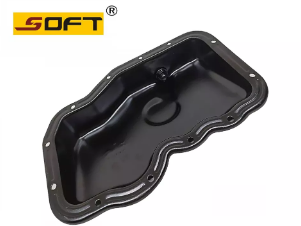
Diagnostics: Do You Really Need to Replace the Oil Pan?
Mechanics often see vehicles misdiagnosed by quick-lube shops. Proper problem framing rules out false positives. You must confirm the actual failure point before committing to a costly replacement.
Step 1: The "Clean and Drive" Test: Spray the entire lower engine bay. Use a heavy-duty degreaser like Simple Green. Wash it down thoroughly. Test drive the vehicle for 15 to 20 minutes. Park the car and inspect underneath. Use a bright flashlight to find the highest point of fresh oil. Fluid always travels downward.
Step 2: Rule Out Peripheral Culprits: Do not assume the lowest drip is the source. Confirm the leak isn't cascading down. Check for a loose oil filter. Inspect the dipstick tube alignment. Examine the valve cover gasket closely. These upper components often mimic lower pan leaks.
Step 3: Evaluate Drain Plug Damage: Sometimes the leak isolates entirely to the drain bolt. Stripped threads cause this specific issue. Evaluate low-cost downgrade alternatives first. An oversized thread-cutting bolt might save you. A Helicoil insert offers another valid fix. Try these before deciding to replace the entire Oil sump pan.
Step 4: Inspect for Structural Damage: Clean the metal surface. Look for physical hairline cracks. Check for severe rust penetration. Identify impact dents. Deep dents reduce total fluid capacity. They also risk blocking the pickup tube. Structural damage requires immediate replacement.
Best Practices & Common Mistakes
Best Practice: Always use ultraviolet (UV) dye in your engine fluid for tricky leaks. Run the engine and use a UV light to pinpoint the exact origin.
Common Mistake: Replacing the pan when the actual leak comes from a failing front crankshaft seal. Always check the timing cover area first.
Cost Analysis & Feasibility: DIY vs. Professional Repair
Deciding between doing it yourself and hiring a professional requires logic. You must calculate the Total Cost of Ownership (TCO) and evaluate the Return on Investment (ROI).
Professional shop estimates vary by vehicle design. Expect to pay $100 to $400 for replacement parts. Labor costs add another $200 to $300 minimum. Complex clearance issues push labor costs much higher. V8 engines typically require more labor time.
DIY equipment prerequisites go beyond basic tools. This is not a simple hand-tool job. You must invest in specific items. A 3/8-inch or 1/4-inch torque wrench is non-negotiable. It must measure in inch-pounds. You also need safe jack stands, plastic gasket scrapers, and cleaning solvent.
Understand the "Bail-Out" criteria before starting. Check your factory service manual first. The manual might require dropping the front subframe. It might instruct you to lift the engine off its mounts. Outsourcing to a professional makes sense here. You mitigate significant safety and execution risks by bailing out early.
Pre-Repair Preparation and Risk Mitigation
Preparation dictates your success rate. Setting up properly ensures a seamless execution. Rushing this phase guarantees frustration.
Start by clearing the path. Identify common interference parts blocking your Oil Pan. You will likely need to remove plastic splash shields. Bell housing covers often sit in the way. Wheel arch liners might block access to side bolts.
Managing rusted exhaust fasteners requires patience. Exhaust pipes frequently route directly under the engine block. Pre-treat all exhaust flange bolts early. Spray penetrating oil like WD-40 exactly 24 hours prior. This chemical soak prevents snapping rusted bolts. Snapped exhaust bolts turn a two-hour job into a weekend nightmare. Procure replacement exhaust donut rings. You will need them if pipe separation is required.
Selecting the right sealing method is critical. OEM setups differ wildly. Explain the critical difference between these systems. A pre-formed rubber or cork gasket rarely needs added silicone. Adding liquid sealant to these materials causes them to slip. Conversely, many Japanese imports use FIPG (Form-in-Place Gasket). These vehicles require no solid gasket. You must purchase the correct liquid sealant. Follow the manufacturer curing times strictly.
How to Remove and Replace the Oil Pan Assembly (Step-by-Step)
This section outlines the core operational framework. Follow this standard operating procedure to avoid costly mistakes.
Draining and Removal
Drain the engine fluid completely. Responsibly dispose of the old fluid at a recycling center. Remove all perimeter bolts slowly. Keep track of bolt lengths. Some designs use longer bolts in specific corners.
Risk Warning: Never pry the mating surface. Using a flathead screwdriver causes permanent metal warping. Do not strike the metal housing with a mallet yet. Visually confirm you removed 100% of the bolts. Hidden bolts exist near the transmission. Striking a bolted housing risks cracking the aluminum casing. Gently tap the sides using a rubber mallet. This action safely breaks the old seal.
Surface Preparation and Inspection
Clean the engine block mating surface meticulously. Use a plastic gasket scraper. Metal scrapers gouge aluminum blocks easily. Apply a specialized solvent to dissolve leftover adhesive. The surface must feel completely smooth.
Inspect the inside of the old housing. Look for shiny metal shavings. Metal debris indicates internal engine bearing wear. A perfectly clean Oil sump means a healthy engine bottom end. Wipe away all internal sludge before continuing.
Installation and Precision Torquing
Apply the replacement gasket. If you use an FIPG bead, observe the OEM-specified wait time. You must wait before mating the parts. Apply small dabs of sealant at the seams. Do this where the timing cover meets the engine block. This rule applies even if you use a solid gasket.
Lift your new Engine oil pan into place. Hand-thread all bolts first. Hand-threading prevents cross-threading the delicate block holes. Never use power tools during the initial insertion.
The Spiral Method: Tighten your bolts strategically. Start from the center of the housing. Work outward in a spiral or crisscross pattern. This method ensures completely even pressure across the flange.
Use a calibrated torque wrench. Achieve the exact OEM specification. These numbers are often extremely low. Specifications typically range from 100 to 120 inch-pounds. Guessing the tightness guarantees failure.
Common Implementation Pitfalls and Gasket Controversies
Insider tips prevent post-repair failure. Mechanics see the same DIY mistakes repeatedly. Avoid these specific traps.
The "Over-Torque" Trap catches many beginners. People often add "just a little more" tightness. They think extra tightness stops leaks. This logic is completely flawed. Over-tightening crushes a cork gasket instantly. It splits rubber materials. Worst of all, it strips the engine block threads. Stick to the torque wrench numbers.
The Sealant Debate confuses many car owners. Let us clarify the "Mechanic Insider Rule" right now. Never coat a solid cork gasket in RTV silicone. Liquid silicone acts like a lubricant. It causes the solid gasket to slide out of place. Compression squeezes the gasket outward. You will experience a massive leak immediately upon startup.
Ignoring warped flanges wastes time and money. Are you reinstalling an old steel unit? Place it on a perfectly flat glass surface first. Tap the corners gently. A rocking motion reveals flange warping. A warped unit will never seal. It does not matter how much FIPG you apply. If the glass test fails, you must order a replacement part.
When searching for replacements, check part numbers carefully. You might see generic parts labeled as Pan-Oil units online. Ensure these aftermarket items match OEM thickness. Flimsy aftermarket steel warps faster than factory originals.
Conclusion
Proper diagnosis saves you from replacing parts unnecessarily. Meticulous cleanliness dictates your ultimate success. Leftover oil or grit ruins new seals instantly. You must prioritize surface preparation.
Changing this component relies heavily on patience. Rushing the prep phase guarantees a secondary leak. Strict adherence to torque specifications protects your engine block from permanent thread damage.
Your clear next step is research. Direct your attention to your specific vehicle service manual. Check the subframe clearance requirements. Verify the exact inch-pound torque numbers. Do this before buying any parts or crawling under your vehicle.
FAQ
Q: How long does it take to replace an oil pan?
A: It varies widely based on vehicle design. Expect 1 to 2 hours on an exposed 4-cylinder engine. The job can take 6+ hours if the front subframe or exhaust system requires complete removal.
Q: Can I stop an oil pan leak without replacing the gasket?
A: Chemical stop-leak additives offer a harsh reality. They swell rubber seals temporarily. However, they do not fix physical metal cracks. They cannot repair a blown out gasket. Additives only act as a short-term band-aid.
Q: Do I need to replace the oil pan bolts?
A: Usually, you do not need to replace them. Reuse them unless they appear severely rusted or stretched. However, applying a medium-strength thread locker (like blue Loctite) is often recommended by OEMs to prevent loosening.
Q: Why is my new oil pan gasket leaking immediately after installation?
A: Three common DIY errors cause this. First, inadequate surface cleaning leaves gaps. Second, skipping the center-out tightening pattern creates uneven pressure. Third, over-torquing the bolts crushes the material completely.


